Navigating Supply Chain Disruptions: Strategies for Resilience in Global Trade
Explore how the industry is balancing durability and environmental responsibility in PP woven bag manufacturing.
Read More →
The industrial chemical sector stands at a pivotal crossroads, facing unprecedented challenges while simultaneously embracing transformative innovations that are reshaping supply chains across the globe. As a key player in the global chemical distribution landscape, ShreeLokam World Ventures has witnessed firsthand how technological advancements, sustainability imperatives, and evolving market dynamics are driving fundamental changes in how chemicals are sourced, transported, stored, and delivered to end-users.
This article explores the cutting-edge innovations revolutionizing industrial chemical supply chains, offering insights into how forward-thinking companies are enhancing efficiency, improving sustainability, and creating competitive advantages through supply chain optimization.
The industrial chemical supply chain has traditionally been characterized by complexity, fragmentation, and opacity. From raw material extraction to manufacturing, distribution, and eventual use in downstream industries, chemicals pass through numerous intermediaries and undergo multiple transformations. This complexity has historically created challenges in terms of visibility, efficiency, and environmental impact.
However, several converging factors are now accelerating innovation across the chemical supply chain ecosystem:
The fourth industrial revolution has arrived in the chemical sector, bringing with it unprecedented capabilities for data collection, analysis, and automation. Smart sensors, Internet of Things (IoT) connectivity, artificial intelligence, and advanced analytics are transforming previously opaque supply chains into transparent, responsive networks that can be monitored and optimized in real-time.
Environmental concerns have moved from the periphery to the center of chemical industry strategy. Regulatory pressures, consumer demands, and corporate sustainability commitments are driving innovations aimed at reducing carbon footprints, minimizing waste, and transitioning toward circular economy models. Supply chains are a critical focus area for these sustainability efforts, as they often account for a significant portion of the industry's environmental impact.
Recent global disruptions—from the COVID-19 pandemic to geopolitical tensions and extreme weather events—have exposed vulnerabilities in traditional supply chain models. Chemical companies are now prioritizing resilience and agility, implementing innovations that enable them to navigate disruptions while maintaining service levels and controlling costs.
Downstream industries are increasingly demanding more than just quality products at competitive prices. They expect chemical suppliers to provide enhanced transparency, customized solutions, faster delivery times, and support for their own sustainability initiatives. These evolving expectations are driving innovations in service models and supply chain configurations.
The most fundamental innovations in chemical supply chains stem from the sector's ongoing digital transformation. These digital technologies are creating unprecedented visibility and control across previously fragmented networks.
Blockchain technology is addressing one of the most persistent challenges in chemical supply chains: establishing provenance and maintaining accurate records across multiple parties. By creating immutable, distributed ledgers of transactions and movements, blockchain solutions enable:
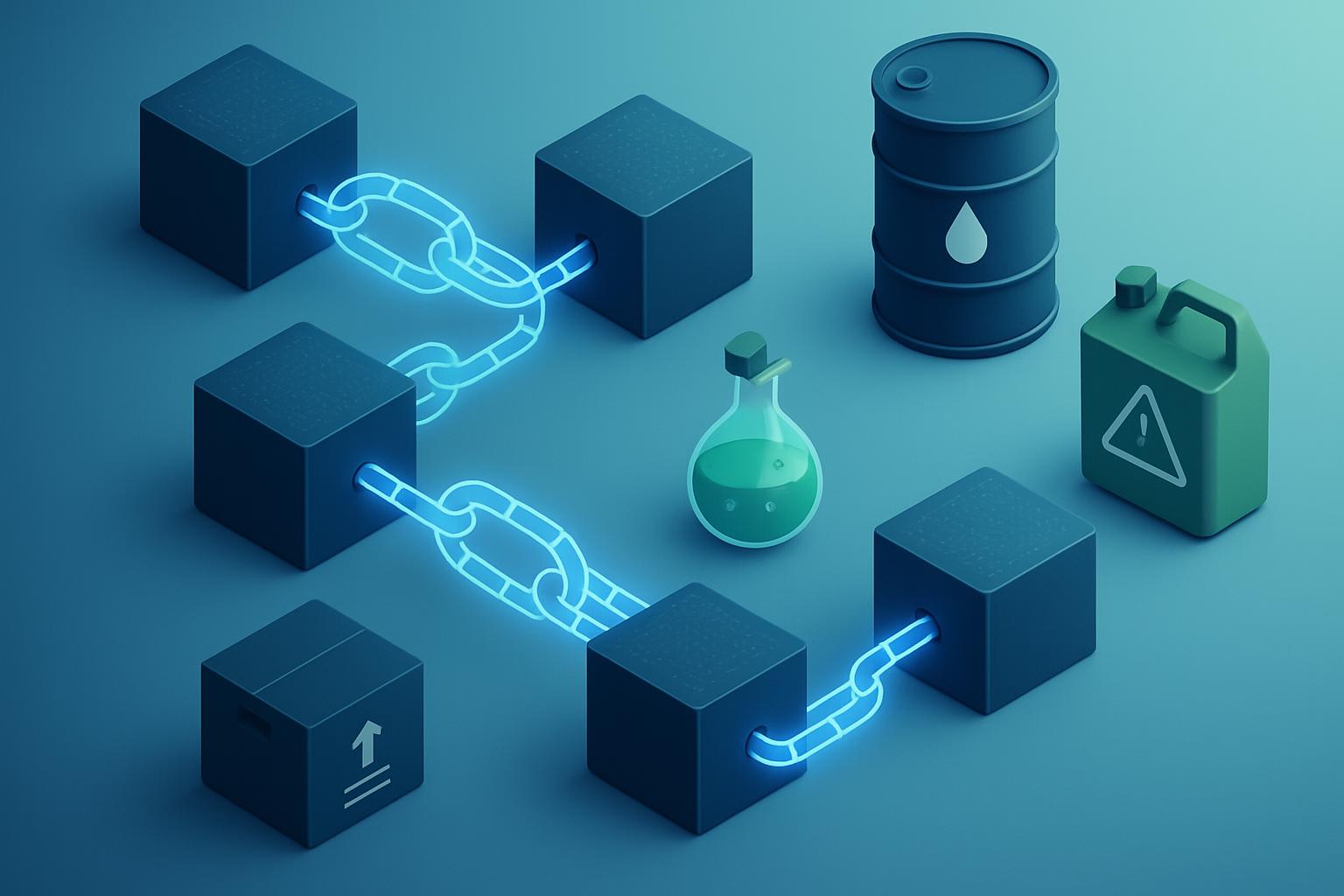
Product Authentication: Verification of chemical composition and quality at each stage of the supply chain, reducing the risk of counterfeit or adulterated products.
Regulatory Compliance: Automated documentation of compliance with regulations such as REACH (Registration, Evaluation, Authorization and Restriction of Chemicals) in Europe or TSCA (Toxic Substances Control Act) in the United States.
Sustainability Verification: Transparent tracking of environmental attributes, such as carbon footprint or recycled content, enabling credible sustainability claims.
Leading chemical companies are implementing blockchain solutions in collaboration with suppliers, logistics providers, and customers. For example, BASF has partnered with technology providers to develop blockchain-based systems for tracking the sustainability attributes of its products throughout complex value chains.
The proliferation of affordable, connected sensors is transforming how chemicals are monitored during transportation and storage:
Condition Monitoring: Sensors tracking temperature, pressure, humidity, and other parameters ensure that sensitive chemicals remain within required specifications throughout their journey.
Location Tracking: GPS and RFID technologies provide real-time visibility into the location of shipments, enabling more accurate delivery estimates and proactive management of delays.
Predictive Maintenance: IoT devices on transportation and storage equipment detect early warning signs of potential failures, allowing for preventive maintenance before disruptions occur.
These IoT applications are particularly valuable for hazardous or highly regulated chemicals, where maintaining proper conditions is critical for safety and compliance. They also enable more efficient use of assets by providing accurate data on container locations, fill levels, and availability.
The vast amounts of data generated by digitalized supply chains create opportunities for advanced analytics and AI applications that optimize operations and predict future conditions:
Demand Forecasting: Machine learning algorithms analyzing historical data, market trends, and external factors (such as weather or economic indicators) produce more accurate demand forecasts, reducing both stockouts and excess inventory.
Route Optimization: AI systems determine optimal transportation routes based on multiple variables including distance, traffic conditions, fuel consumption, and delivery windows.
Inventory Optimization: Predictive analytics determine optimal inventory levels across distribution networks, balancing service levels against carrying costs while accounting for lead times and demand variability.
Risk Prediction: AI models identify potential supply chain disruptions before they occur, enabling proactive mitigation strategies.
Chemical distributors like Brenntag and Univar Solutions are investing heavily in these capabilities, developing proprietary analytics platforms that provide competitive advantages through superior planning and execution.
Digital twin technology—creating virtual replicas of physical supply chains—enables sophisticated scenario planning and optimization:
Network Design: Simulation of different supply chain configurations to determine optimal locations for production, warehousing, and distribution.
Process Optimization: Virtual testing of operational changes before implementation in the physical world.
Disruption Response: Simulation of various disruption scenarios to develop and test contingency plans.
These digital twins integrate data from multiple sources, including ERP systems, IoT devices, and external data feeds, creating comprehensive models that reflect the complexity of real-world chemical supply chains.
The movement and storage of chemicals present unique challenges due to safety requirements, regulatory compliance, and the diverse physical properties of different substances. Innovations in logistics are addressing these challenges while improving efficiency and sustainability.
Chemical companies are increasingly adopting sophisticated intermodal transportation strategies that combine multiple modes (road, rail, sea, and occasionally air) to optimize for cost, time, and environmental impact:
Modal Shift Technologies: Specialized equipment facilitating easier transfers between transportation modes, such as containers designed for seamless truck-to-rail transitions.
Collaborative Logistics Platforms: Digital marketplaces connecting chemical shippers with transportation providers across modes, enabling more efficient capacity utilization and reduced empty miles.
Synchromodality: Dynamic switching between transportation modes based on real-time conditions and requirements, enabled by digital connectivity and advanced planning systems.
These intermodal approaches typically reduce carbon emissions compared to road-only transportation while often providing cost benefits for longer distances.
While fully autonomous chemical transportation remains a future prospect due to safety and regulatory considerations, semi-autonomous technologies are already enhancing efficiency and safety:
Platooning: Connected trucks traveling in close formation, reducing fuel consumption through improved aerodynamics while maintaining safety through vehicle-to-vehicle communication.
Driver Assistance Systems: Technologies that monitor driver alertness, automatically maintain safe distances, and assist with navigation, reducing accident risks during chemical transportation.
Autonomous Equipment in Controlled Environments: Fully autonomous vehicles for chemical movement within manufacturing plants or large distribution centers, operating in controlled environments with limited variables.
These technologies address the dual challenges of driver shortages and safety concerns in chemical logistics, particularly for hazardous materials.
Chemical warehousing and distribution centers are being transformed by automation and connectivity:
Automated Storage and Retrieval Systems (ASRS): Robotic systems that store and retrieve chemical containers without human intervention, increasing storage density while reducing handling risks.
Voice-Directed Operations: Hands-free picking systems that improve accuracy and efficiency while allowing operators to maintain focus on safety procedures.
Intelligent Warehouse Management Systems: Software that optimizes storage locations based on compatibility, turnover rates, and access requirements, particularly important for chemicals with specific storage requirements or limited shelf lives.
Cross-Docking Optimization: Advanced scheduling systems that minimize storage requirements by coordinating inbound and outbound shipments, reducing handling and storage of hazardous materials.
These innovations are particularly valuable in chemical distribution, where managing diverse inventories of products with varying handling requirements presents significant operational challenges.
Environmental considerations are driving some of the most significant innovations in chemical supply chains, as companies seek to reduce their ecological footprints while maintaining operational performance.
The transportation of chemicals typically represents a significant portion of supply chain carbon emissions, prompting various initiatives to reduce this impact:
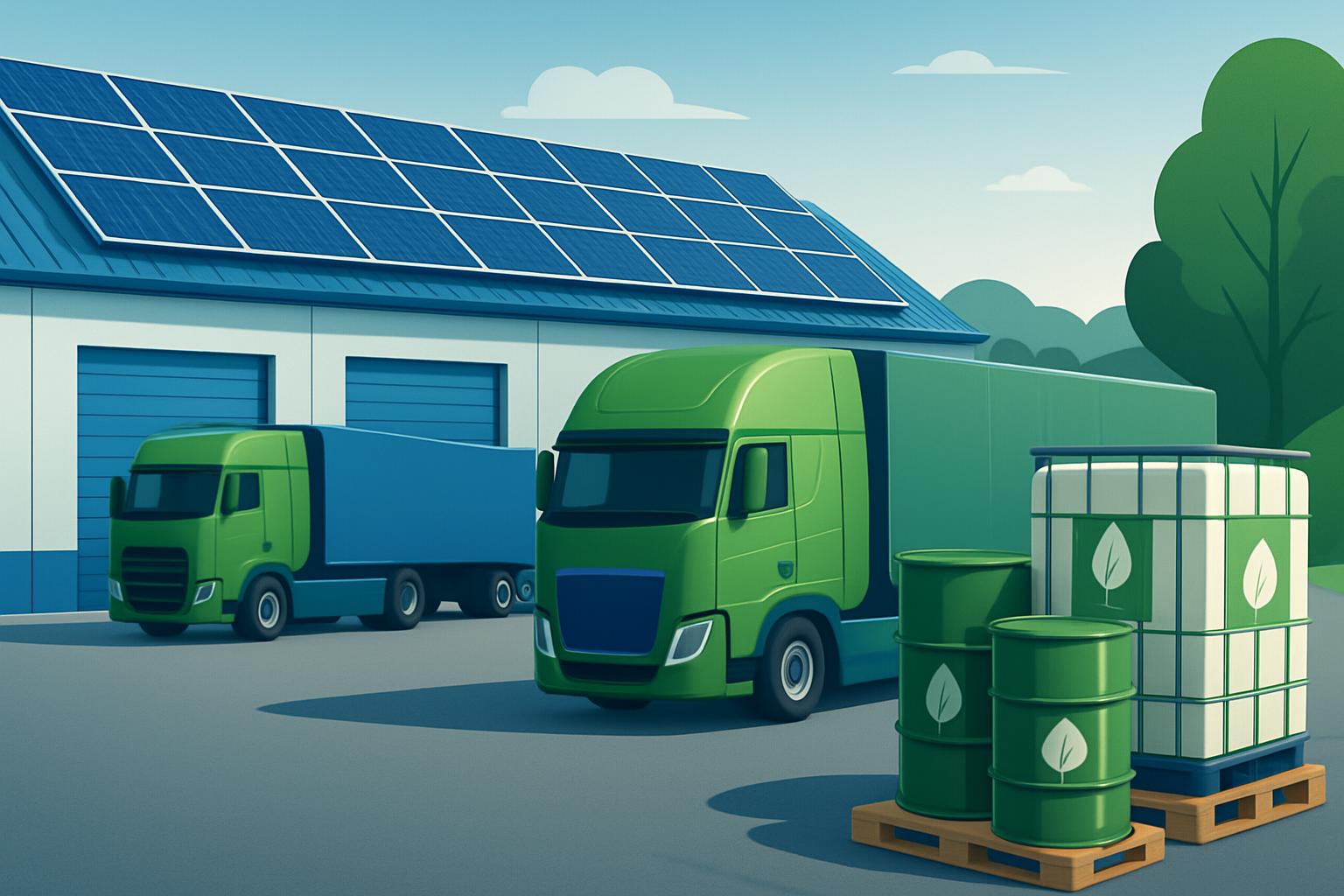
Alternative Fuel Vehicles: Adoption of trucks powered by compressed natural gas (CNG), liquefied natural gas (LNG), or biofuels for chemical transportation, reducing carbon emissions compared to diesel.
Electric Transportation: Implementation of electric vehicles for short-haul chemical distribution, particularly in urban areas with air quality concerns.
Hydrogen Fuel Cell Technology: Early-stage adoption of hydrogen-powered vehicles for chemical logistics, offering zero-emission operation with longer ranges than battery-electric alternatives.
Efficiency Technologies: Aerodynamic improvements, lightweight materials, and advanced engine technologies that reduce fuel consumption in conventional vehicles.
Chemical distributors are increasingly incorporating these green transportation options into their fleets, often starting with pilot programs in specific regions before broader implementation.
The principles of circularity are being applied to chemical supply chains, creating closed-loop systems that minimize waste and maximize resource utilization:
Chemical Leasing: Business models where suppliers sell the service or function of chemicals rather than the chemicals themselves, retaining ownership and responsibility for the products throughout their lifecycle.
Reverse Logistics: Specialized systems for collecting, processing, and recycling used chemicals or their containers, turning waste streams into valuable resources.
By-Product Synergy: Coordination between different industries to utilize chemical by-products, transforming what would be waste for one company into valuable inputs for another.
Reusable Packaging Systems: Durable, standardized containers that can be returned, cleaned, and reused multiple times, reducing packaging waste in chemical distribution.
These circular approaches often require sophisticated tracking and coordination capabilities, making them natural applications for the digital technologies discussed earlier.
Chemical companies are implementing various strategies to measure, report, and reduce carbon emissions across their supply chains:
Carbon Tracking Systems: Technologies that calculate emissions across complex supply chains, providing data for reporting, decision-making, and continuous improvement.
Low-Carbon Sourcing: Preferential selection of suppliers and service providers based on their carbon performance, creating market incentives for emissions reduction.
Supply Chain Network Optimization: Redesign of distribution networks to minimize transportation distances and associated emissions while maintaining service levels.
Renewable Energy Integration: Incorporation of renewable energy into manufacturing, warehousing, and transportation operations, often through power purchase agreements or on-site generation.
These carbon-focused initiatives are increasingly important as chemical companies face pressure from investors, customers, and regulators to reduce their climate impact.
Beyond technological solutions, some of the most impactful innovations in chemical supply chains involve new approaches to collaboration between supply chain participants.
Advanced partnership models are transforming inventory management in the chemical industry:
Vendor-Managed Inventory (VMI): Arrangements where chemical suppliers take responsibility for maintaining appropriate inventory levels at customer locations, using real-time data to trigger replenishment.
Consignment Stocking: Systems where suppliers maintain ownership of inventory until it's consumed by customers, reducing working capital requirements while ensuring product availability.
Integrated Planning: Collaborative forecasting and replenishment processes that synchronize planning across multiple supply chain tiers, reducing the bullwhip effect and improving overall efficiency.
These collaborative approaches are enabled by digital connectivity and shared data platforms that provide visibility across organizational boundaries.
Financial innovations are addressing working capital challenges in chemical supply chains:
Dynamic Discounting: Platforms allowing suppliers to offer discounts for early payment, with rates that adjust based on timing and market conditions.
Blockchain-Based Trade Finance: Solutions using distributed ledger technology to streamline trade documentation and financing, reducing delays and costs in international chemical transactions.
Sustainability-Linked Financing: Financial instruments that tie interest rates or other terms to achievement of sustainability targets within supply chains, incentivizing environmental improvements.
These financial innovations are particularly valuable in the chemical industry, where high-value transactions and extended international supply chains can create significant working capital challenges.
Shared logistics resources are creating efficiencies that individual companies cannot achieve alone:
Freight Collaboration Platforms: Digital systems connecting chemical shippers with complementary networks, enabling shared transportation and reduced empty miles.
Joint Distribution Centers: Shared warehousing facilities where multiple chemical companies consolidate storage and distribution operations, improving utilization and service coverage.
Pooled Equipment Networks: Shared fleets of specialized chemical transportation equipment such as ISO tanks or temperature-controlled containers, increasing utilization and availability.
These collaborative models are gaining traction as companies recognize that logistics capabilities are often non-competitive areas where shared resources create mutual benefits.
While the potential benefits of these innovations are substantial, implementing them successfully requires navigating various challenges:
Many chemical companies operate with enterprise systems that have evolved over decades, creating integration challenges when implementing new technologies. Successful innovators are adopting middleware solutions and API-based architectures that enable gradual modernization without wholesale replacement of core systems.
The value of digital supply chain innovations depends on high-quality, standardized data. Leading companies are implementing robust data governance frameworks and participating in industry standardization initiatives such as the Together for Sustainability (TfS) program, which is working to harmonize sustainability data across chemical supply chains.
Increased connectivity creates new security vulnerabilities, particularly concerning for companies handling sensitive or hazardous chemicals. Effective innovation requires comprehensive cybersecurity strategies that address both IT (Information Technology) and OT (Operational Technology) environments.
New technologies require new capabilities and often significant cultural change. Companies successfully implementing supply chain innovations are investing heavily in training programs, change management initiatives, and strategic hiring to build the necessary organizational capabilities.
Chemical supply chains are heavily regulated, with requirements varying across jurisdictions. Innovations must be implemented in ways that maintain or enhance compliance, often requiring early engagement with regulatory authorities and careful documentation of new processes.
For companies seeking to enhance their chemical supply chains through innovation, several strategic priorities emerge:
Successful innovation begins with specific business goals rather than technology for its own sake. Whether the primary objective is cost reduction, service improvement, sustainability enhancement, or risk mitigation will determine which innovations deserve priority.
Many of the most valuable innovations depend on digital connectivity and data integration. Investing in these foundational capabilities—including IoT infrastructure, data management systems, and integration platforms—creates options for multiple innovation pathways.
Given the range of potential innovations, companies benefit from managing a portfolio of initiatives with varying time horizons and risk profiles. This balanced approach might include some quick wins with immediate benefits alongside more transformative projects with longer-term payoffs.
Few companies have all the capabilities required to implement advanced supply chain innovations internally. Strategic partnerships with technology providers, logistics specialists, academic institutions, and even competitors (for pre-competitive initiatives) can accelerate progress and distribute development costs.
Environmental considerations are increasingly inseparable from business performance in the chemical industry. Innovations that simultaneously improve operational efficiency and sustainability outcomes typically offer the most compelling business cases and future-proof investments.
As the industrial chemical sector continues to evolve, supply chain innovation is transitioning from competitive advantage to competitive necessity. Companies that fail to embrace these innovations risk falling behind in terms of cost structure, service capabilities, environmental performance, and ultimately market position.
At ShreeLokam World Ventures, we recognize that navigating this changing landscape requires both technological sophistication and deep industry knowledge. By combining digital capabilities with our extensive experience in chemical distribution, we help our partners implement supply chain innovations that deliver tangible business value while advancing sustainability goals.
The future of industrial chemical supply chains will be more connected, transparent, efficient, and environmentally responsible than ever before. The innovations described in this article represent not just incremental improvements but a fundamental reimagining of how chemicals move from producers to users—a transformation that will create new value for companies, customers, and the planet.


Our team of global sourcing experts can help you build a more resilient supply chain while maintaining competitive costs. Contact us today to discuss your specific requirements.
Contact Our Team