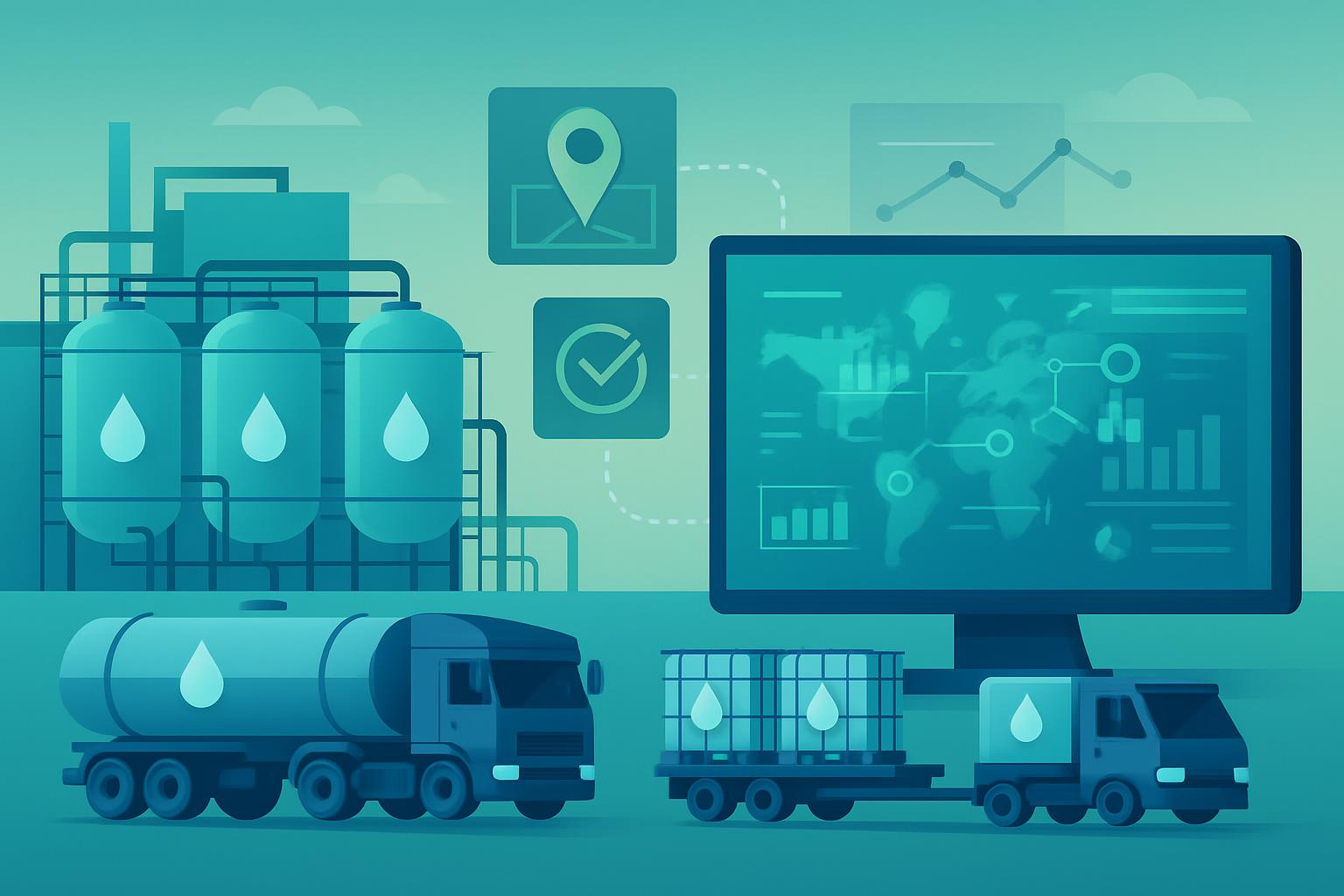
In recent years, global supply chains have faced
unprecedented challenges. From the COVID-19 pandemic to
geopolitical tensions, natural disasters, and shipping
bottlenecks, businesses engaged in international trade have
encountered wave after wave of disruptions. These events
have exposed vulnerabilities in traditional supply chain
models and highlighted the critical importance of resilience
in today's interconnected global economy.
At ShreeLokam World Ventures, we've witnessed firsthand how
these disruptions have impacted businesses across various
industries, from plastics and polymers to industrial
chemicals and agricultural products. Through our experience
working with partners worldwide, we've gained valuable
insights into effective strategies for building more
resilient supply chains. This article explores practical
approaches that businesses can implement to navigate
disruptions and maintain continuity in uncertain times.
Understanding the New Normal of Supply Chain
Vulnerability
The past few years have fundamentally altered how businesses
perceive supply chain risk. What was once considered an
occasional operational challenge has evolved into a
persistent strategic concern demanding continuous attention
from leadership teams. Several factors have contributed to
this new landscape of vulnerability:
Global Interdependence
Modern supply chains are characterized by complex networks
spanning multiple countries and continents. While this
global integration has created tremendous efficiencies and
cost advantages, it has also introduced systemic
vulnerabilities. When disruption occurs in one region, the
ripple effects quickly spread throughout the entire network.
The semiconductor shortage that began in 2020 exemplifies
this phenomenon, with production delays in a few key
facilities cascading into widespread product shortages
across automotive, electronics, and numerous other
industries.
Just-in-Time Inventory Practices
For decades, businesses have embraced lean manufacturing
principles and just-in-time inventory management to reduce
costs and improve efficiency. While these approaches
optimize operations during stable periods, they leave little
margin for error when disruptions occur. Without adequate
safety stocks, even minor supply interruptions can quickly
escalate into production shutdowns and unfulfilled customer
orders.
Concentration Risk
Many industries have gravitated toward geographic
concentration of manufacturing and sourcing, often in
regions offering cost advantages or specialized
capabilities. This concentration creates significant
vulnerability when those regions experience disruptions. For
instance, when COVID-19 first emerged in China, businesses
worldwide suddenly realized their excessive dependence on
Chinese manufacturing for critical components and finished
goods.
Climate Change Impacts
Increasing frequency and severity of extreme weather
events—from hurricanes and floods to droughts and
wildfires—are creating new patterns of supply chain
disruption. Infrastructure damage, transportation delays,
and raw material shortages resulting from these events are
becoming more common, requiring businesses to incorporate
climate resilience into their supply chain planning.
Building Resilience: Key Strategies for Global Trade
Participants
In response to these challenges, forward-thinking businesses
are implementing various strategies to enhance supply chain
resilience. These approaches don't merely aim to weather
current disruptions but to build adaptive capacity for
navigating an increasingly volatile global trade
environment.
1. Diversification of Supplier Networks
Perhaps the most fundamental resilience strategy involves
diversifying supplier networks to reduce dependency on any
single source. This approach includes:
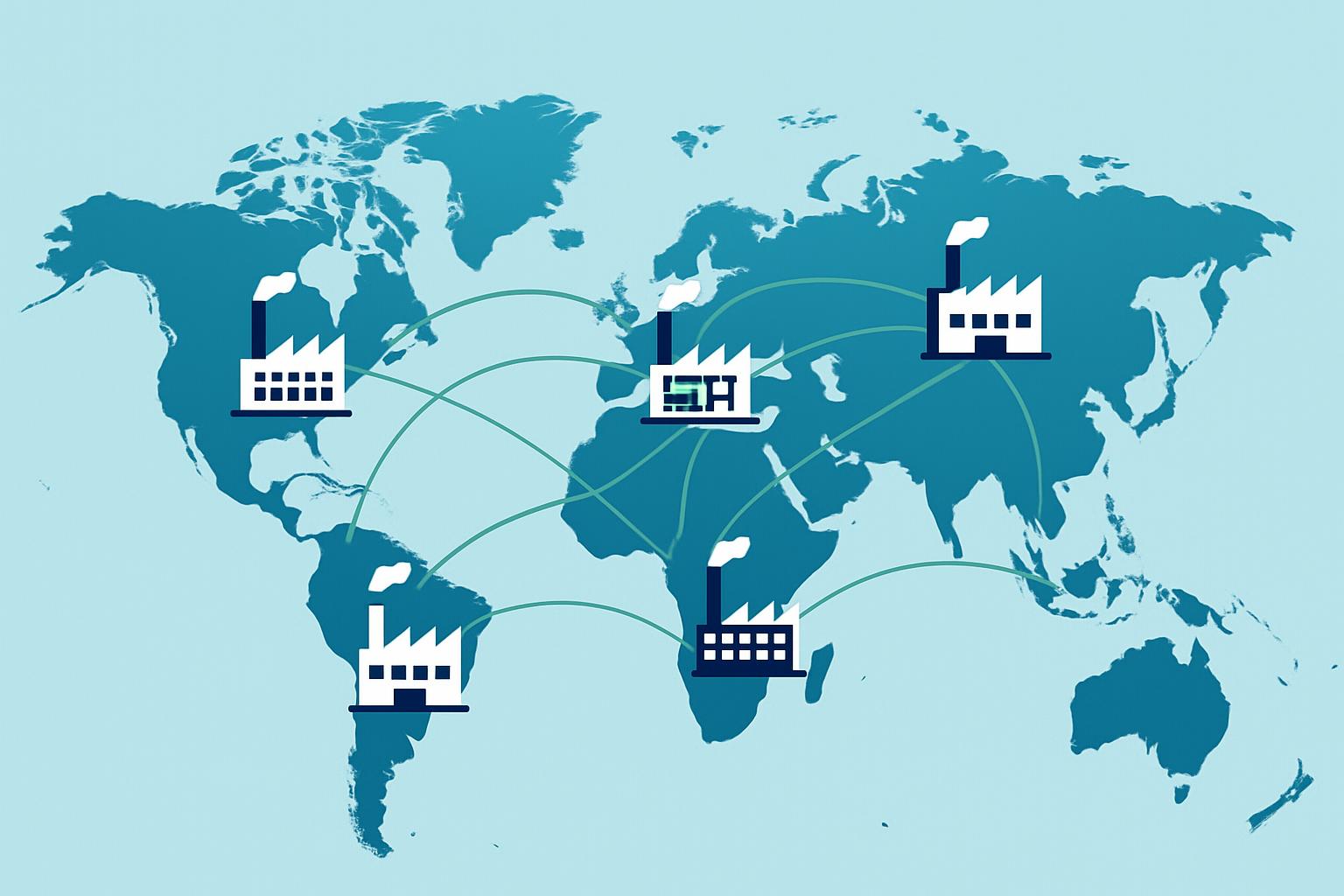
Geographic Diversification: Establishing
relationships with suppliers across multiple regions helps
insulate businesses from localized disruptions. Rather than
sourcing all components from a single country, companies are
adopting "China plus one" or even "plus many" strategies
that distribute manufacturing across several nations.
Supplier Diversification: Even within
regions, maintaining relationships with multiple suppliers
for critical materials provides valuable redundancy. While
this approach may sacrifice some economies of scale, the
resilience benefits often outweigh the incremental cost
increases.
Tier Visibility: Resilient businesses look
beyond their immediate suppliers to understand
vulnerabilities in tier 2 and tier 3 suppliers. A disruption
affecting a supplier's supplier can be just as damaging as
one affecting direct partners.
2. Strategic Inventory Management
The pandemic has prompted a reevaluation of inventory
practices, with many businesses moving away from pure
just-in-time approaches toward more nuanced strategies:
Critical Component Buffering: Rather than
maintaining higher inventory levels across the board,
companies are strategically increasing safety stocks for
critical components that would cause significant disruption
if unavailable. This targeted approach balances resilience
with capital efficiency.
Regional Inventory Positioning: Distributing
inventory across multiple locations closer to end markets
reduces vulnerability to transportation disruptions and
enables faster response to localized demand
fluctuations.
Vendor-Managed Inventory Programs:
Collaborative arrangements where suppliers maintain
ownership of inventory until used can distribute carrying
costs while ensuring material availability.
3. Technology Integration for Visibility and Agility
Technology plays a crucial role in building supply chain
resilience by enhancing visibility, enabling faster response
to disruptions, and supporting more informed
decision-making:
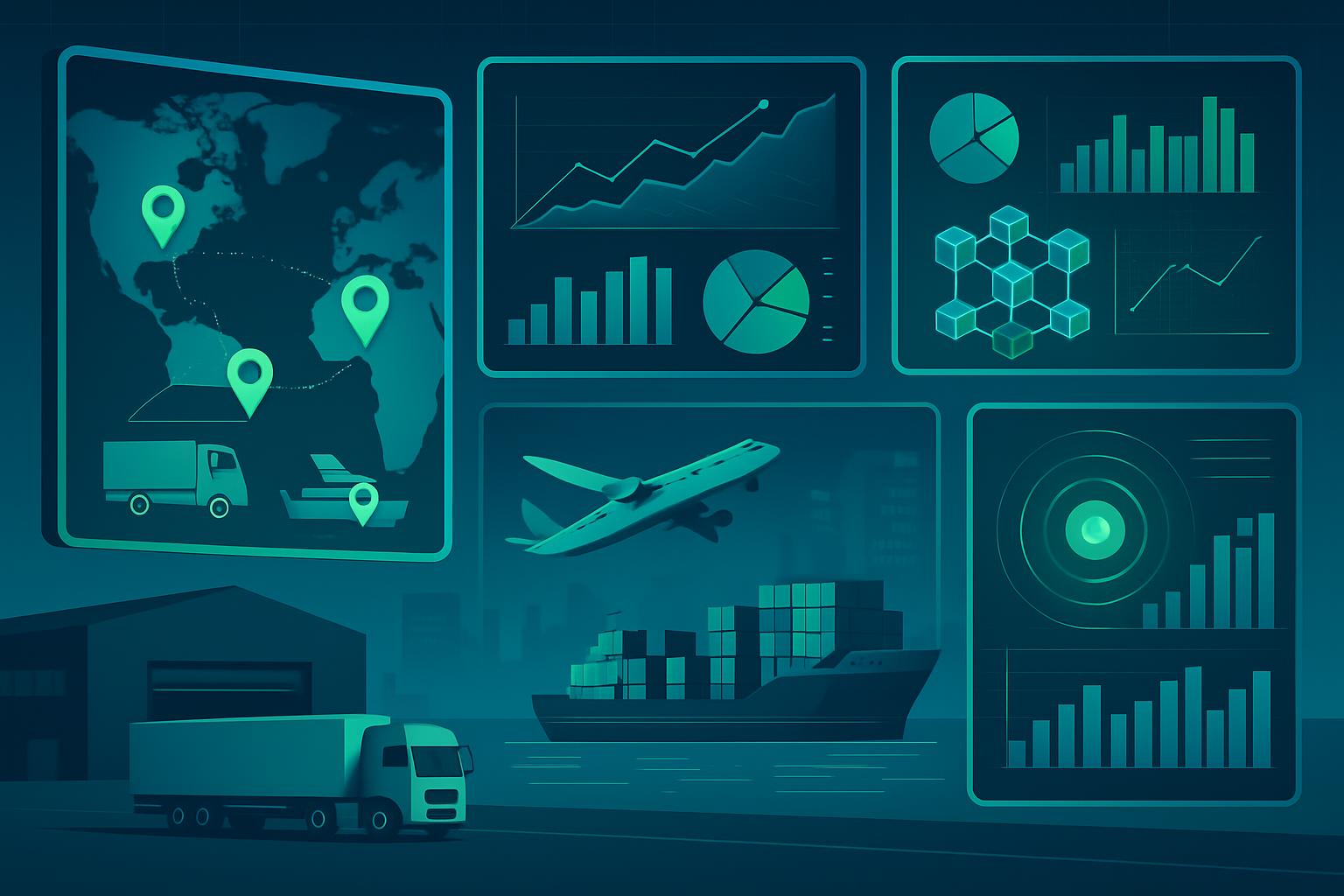
End-to-End Visibility Platforms: Advanced
supply chain visibility solutions leverage IoT sensors,
cloud computing, and analytics to provide real-time tracking
of materials and products throughout the supply chain. This
visibility enables early detection of potential disruptions
and faster implementation of mitigation measures.
Predictive Analytics: By analyzing
historical data and external factors, predictive analytics
tools can identify potential supply chain risks before they
materialize. These insights allow businesses to take
proactive measures rather than merely reacting to
disruptions after they occur.
Digital Twins: Virtual replicas of physical
supply chains enable scenario planning and simulation of
potential disruptions, helping businesses evaluate the
effectiveness of different response strategies without
real-world consequences.
Blockchain for Traceability: Distributed
ledger technologies provide immutable records of
transactions and movements throughout the supply chain,
enhancing transparency and facilitating faster
identification of affected products during disruptions.
4. Flexible Manufacturing and Fulfillment Networks
Building flexibility into production and distribution
networks creates additional options when primary channels
are disrupted:
Modular Production Systems: Designing
manufacturing processes with modularity in mind enables
faster reconfiguration when certain components or materials
become unavailable.
Nearshoring and Reshoring: While not always
economically viable for all products, selectively moving
production closer to end markets can reduce transportation
vulnerabilities and improve responsiveness to local demand
changes.
Alternative Transportation Modes: Developing
capabilities to shift between ocean, air, rail, and road
transportation provides options when one mode experiences
disruption. While air freight is more expensive than ocean
shipping, for instance, its availability during port
congestion can justify the premium for critical
shipments.
Distributed Fulfillment Centers: Multiple
smaller distribution centers positioned strategically across
markets provide redundancy compared to centralized warehouse
models.
5. Collaborative Relationships and Contractual
Flexibility
The nature of relationships with suppliers, logistics
providers, and customers significantly impacts
resilience:
Long-term Partnerships: Deep, collaborative
relationships with key suppliers often result in
preferential treatment during shortages and greater
willingness to collaborate on problem-solving during
disruptions.
Contractual Flexibility: Building
appropriate flexibility into supplier agreements—such as
volume ranges rather than fixed quantities, or provisions
for force majeure events—provides legal frameworks for
adapting to changing circumstances.
Information Sharing: Transparent
communication with supply chain partners about forecasts,
inventory levels, and potential disruptions enables more
coordinated responses to challenges.
Joint Contingency Planning: Working with key
suppliers and customers to develop shared contingency plans
ensures all parties understand their roles and
responsibilities when disruptions occur.
6. Risk Management and Financial Hedging
Formal risk management approaches help identify
vulnerabilities and develop mitigation strategies:
Regular Risk Assessments: Systematic
evaluation of supply chain risks, including supplier
financial health, geopolitical factors, and natural disaster
exposure, helps prioritize resilience investments.
Scenario Planning: Developing detailed
response plans for various disruption scenarios ensures
faster, more coordinated action when events occur.
Financial Hedging: For commodities subject
to price volatility, financial instruments like futures
contracts can provide price stability during market
disruptions.
Insurance Solutions: Specialized supply
chain insurance products can mitigate financial impacts of
certain disruptions, though coverage for events like
pandemics remains challenging.
Implementation Challenges and Considerations
While the benefits of supply chain resilience are clear,
implementation often involves navigating various
challenges:
Cost-Resilience Tradeoffs
Many resilience strategies—from higher inventory levels to
supplier diversification—involve increased costs in the
short term. Business leaders must carefully evaluate these
investments against the potential costs of disruption,
considering both financial impacts and less tangible factors
like customer satisfaction and brand reputation.
Data Integration Hurdles
Achieving the visibility necessary for resilient operations
typically requires integrating data across multiple systems
and organizations. Legacy technology infrastructure, data
quality issues, and organizational silos can complicate
these efforts.
Organizational Alignment
Building truly resilient supply chains requires alignment
across functions including procurement, operations, finance,
and sales. Without this alignment, resilience initiatives
may face internal resistance or fail to address the full
spectrum of vulnerabilities.
Supplier Capabilities
Smaller suppliers may lack the resources or capabilities to
support sophisticated resilience strategies. Businesses must
consider how to help critical suppliers enhance their own
resilience through capability building, financial support,
or other collaborative approaches.
The Path Forward: Resilience as Competitive Advantage
As supply chain disruptions become more frequent and severe,
resilience is evolving from a defensive necessity to a
source of competitive advantage. Organizations that can
maintain reliable operations and customer service despite
external challenges will increasingly differentiate
themselves from competitors struggling with
disruption-related shortfalls.
The most successful approaches will balance resilience with
other strategic priorities like cost efficiency and
sustainability. Rather than viewing these goals as
contradictory, forward-thinking businesses are finding
synergies—for instance, localizing production can
simultaneously reduce transportation vulnerability, decrease
carbon emissions, and improve responsiveness to customer
needs.
At ShreeLokam World Ventures, we're committed to helping our
partners navigate these challenges through our global
sourcing expertise and diverse supplier networks. By
combining local knowledge with global reach, we provide
options and alternatives that enhance supply chain
resilience while maintaining competitive cost
structures.
Conclusion
The disruptions of recent years have permanently altered how
businesses approach global supply chains. Rather than hoping
for a return to pre-pandemic stability, successful
organizations are embracing resilience as the new
competitive imperative. Through strategic diversification,
technology integration, collaborative relationships, and
thoughtful risk management, businesses can build supply
chains capable of withstanding future shocks while
continuing to deliver value to customers and
shareholders.
As we move forward in this era of uncertainty, the most
successful global trade participants will be those who view
disruption not merely as a threat to be mitigated but as an
opportunity to build more adaptive, responsive, and
ultimately more sustainable supply chain networks. By
investing in resilience today, businesses can position
themselves for success regardless of what challenges
tomorrow may bring.